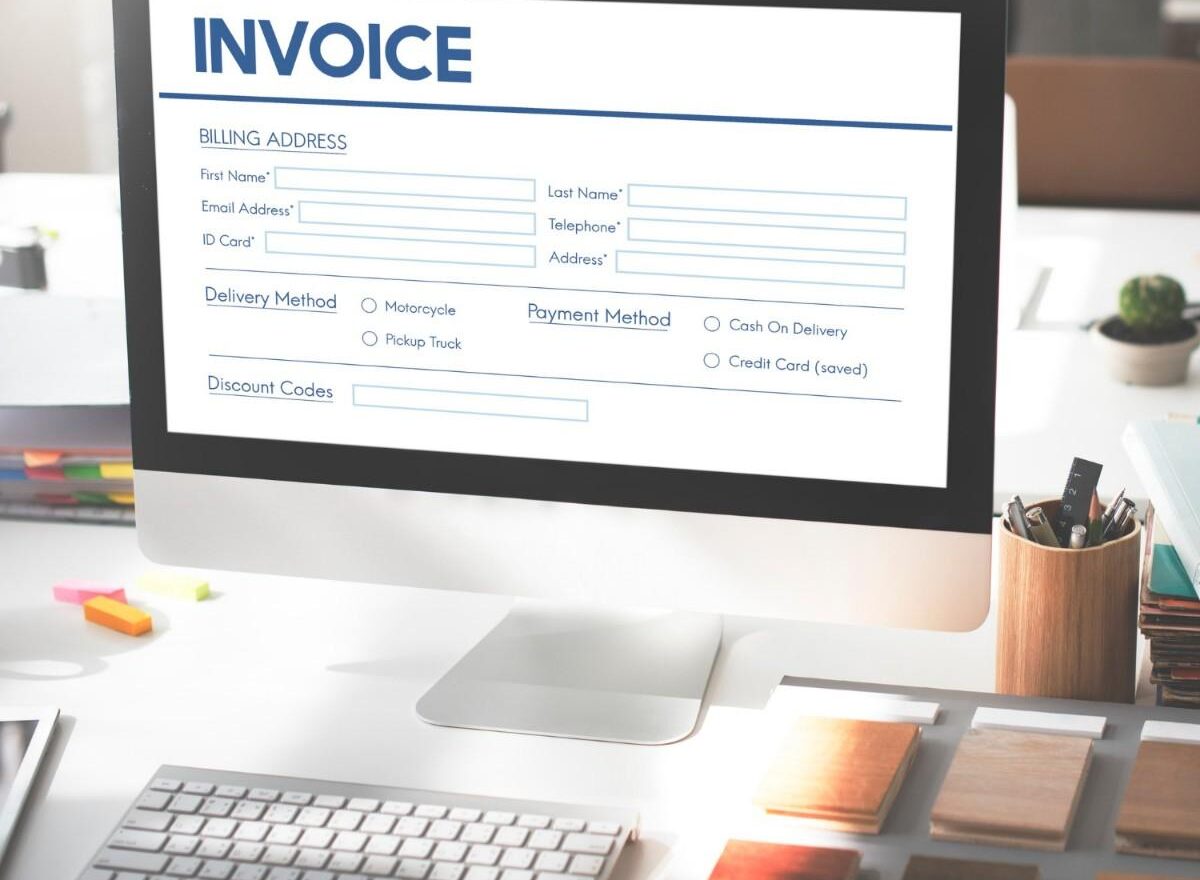
UAE E-Invoicing 2026 is not a minor tax update but a structural change in how transactions are documented, validated, and reported. Businesses that treat it as simple paperwork will struggle, while those that approach it as a data and process reform will adapt faster.
The Federal Tax Authority is moving toward a digital, structured, near-real-time reporting environment aimed at reducing tax leakage, increasing transparency, and standardizing invoice creation and exchange. In practical terms, invoices are becoming data objects rather than static documents, manual creation is becoming a compliance risk, and adherence will depend more on systems than individual effort.
Early understanding gives businesses fewer disruptions during enforcement, lower compliance risk, more predictable billing and reporting workflows, and easier audits and reconciliations. The urgency exists because system upgrades, vendor choices, and process redesigns take time, and waiting for final notices exposes businesses to avoidable operational risk.
Who Must Comply with E-Invoicing in UAE
The direction is clear: VAT-registered entities are the primary target group.
While the rollout may be phased, the long-term expectation is broad adoption across taxable persons. Based on global models and FTA signals, the following groups should assume they will be included:
- VAT-registered businesses
- Medium and large enterprises with structured billing cycles
- Businesses issuing B2B invoices
- Cross-border traders operating under UAE VAT
- High-volume transaction businesses
Even smaller entities should not assume exemption. Many countries initially limited scope, then expanded quickly.
A practical reality:
If your business issues VAT invoices, you should plan for الفوترة الإلكترونية compliance. Assuming you’ll be exempt is a gamble with low odds.
Also Read Blog : E-Invoicing Oracle Fusion | Oracle ERP E-Invoicing Solution
Key E-Invoicing Regulations by FTA
The FTA Compliance UAE framework is moving toward structured digital reporting. While final technical notices continue to evolve, the regulatory direction is consistent with global clearance or reporting models.
Key regulatory pillars include:
- Standardized data fields
Standardized data fields define mandatory invoice information, ensuring consistency, validation, reduced ambiguity, and smoother exchange between trading partners and authorities. - Electronic validation mechanisms
Electronic validation mechanisms automatically check invoice data against rules, detecting errors, missing fields, and calculation issues before submission to authorities. - Secure transmission channels
Secure transmission channels protect invoice data during exchange, using encryption, authentication, and controlled access to prevent tampering or unauthorized interception. - Audit-ready digital records
Audit-ready digital records maintain complete, traceable invoice histories, allowing authorities and businesses to review transactions, verify compliance, and resolve disputes.
This is not about emailing PDFs. It is about machine-readable data that can be validated automatically.
Regulators are focusing on:
- Accuracy of VAT reporting
Accuracy of VAT reporting ensures declared tax amounts match transaction data, reducing misstatements, audit triggers, penalties, and compliance investigations risks. - Real-time or near-real-time visibility
Real-time or near-real-time visibility gives authorities faster insight into transactions, enabling quicker detection of anomalies and reporting inconsistencies across systems. - Reduction of fraudulent invoicing
Reduction of fraudulent invoicing limits fake transactions, duplicate claims, and manipulated records by enforcing structured data, validations, and traceability controls. - Data consistency across systems
Data consistency across systems ensures invoice information remains aligned between platforms, preventing mismatches, reconciliation issues, and reporting errors across entities.
Businesses should expect tighter validation logic over time. Errors that were once overlooked may trigger rejections.
Types of E-Invoices Covered
Mandatory E-Invoices will likely cover standard VAT-relevant transactions. Typically, this includes:
- Tax invoices
- Simplified tax invoices
- Credit notes
- Debit notes
B2B transactions are often the first focus in similar frameworks. B2G and B2C may follow depending on policy direction.
Not every commercial document qualifies as an e-invoice. Proforma invoices, quotations, and internal billing notes generally fall outside scope unless linked to VAT reporting.
A common mistake is over-converting every document. Only VAT-relevant invoices need structured compliance formats.
Technical Standards and Formats

UAE Digital Tax Rules are aligning with global interoperability standards. That typically means:
- XML-based structures
- UBL (Universal Business Language) formats
- Defined tax data schemas
Why structured formats matter:
- Machines can read and validate them
- Mandatory fields can be enforced
- Data can be exchanged across systems reliably
A PDF is human-readable but not machine-verifiable. Regulators need data, not layout.
Expect requirements around:
- Unique invoice identifiers
- Supplier and buyer VAT details
- Line-level tax breakdowns
- Timestamped issuance records
If your system cannot produce structured XML or UBL output, it is not future-ready.
Submission Deadlines and Penalties
While exact timelines may vary by phase, global best practice shows movement toward:
- Near-real-time reporting
- Defined submission windows
- Automated acknowledgments
Penalties typically arise from:
- Late reporting
- Incorrect data
- الحقول الإلزامية المفقودة
- Using non-compliant formats
The bigger risk is not fines – it is operational friction. Rejected invoices delay payments and disrupt cash flow.
Businesses that rely on manual corrections after issuance will face repeated compliance exposure.
Integration with ERP/CRM Systems
E-invoicing is a systems issue, not an accounting habit.
Effective compliance depends on integration between:
- ERP systems
- CRM platforms
- Billing tools
- Accounting software
A disconnected stack creates:
- Data mismatches
- Duplicate entries
- Validation failures
- Audit inconsistencies
A practical approach is using a dedicated compliance layer or middleware that connects business systems to e-invoicing networks.

Preparing Your Business for Compliance
Preparation is less about tax knowledge and more about operational discipline.
Key steps:
1. Map your invoice flow
Document where invoice data originates, how it moves across teams, systems, approvals, and where errors or delays typically appear internally.
2. Audit data quality
Review VAT numbers, customer records, tax codes, item details, and master data to ensure accuracy, consistency, completeness, and reliability levels.
3. Review system capability
Evaluate whether current ERP, billing, and accounting systems can generate structured invoice formats and support compliant electronic submissions without issues.
4. Define ownership
Assign clear responsibility across finance, IT, and operations so compliance tasks, system updates, and monitoring activities are consistently managed internally.
5. Plan phased implementation
Implement changes in phases, testing formats, validations, and integrations early to identify gaps and reduce last-minute compliance risks for stability.
Common mistakes:
- Treating this as an accounting-only project
- Waiting for final rules before acting
- Assuming PDFs will remain acceptable
- Underestimating integration work
Realistically, most delays happen at the data and system layer, not tax interpretation.
الأسئلة الشائعة
Is e-invoicing already mandatory in UAE?
UAE E-Invoicing 2026 is launching in phases. VAT-registered businesses should prepare early because delaying Mandatory E-Invoices adoption increases compliance risks and operational disruption for businesses.
Are PDFs considered compliant e-invoices?
No. PDFs are human-readable files, not structured data. FTA Compliance UAE requires machine-readable formats under E-Invoicing Guidelines aligned with UAE Digital Tax Rules for compliance.
Do small businesses need to worry?
Yes. Small businesses will be covered under UAE Digital Tax Rules. Preparing for UAE E-Invoicing 2026 early reduces costs, errors, and pressure on daily operations.
Will invoices be validated by the FTA?
Most modern systems follow E-Invoicing Guidelines using electronic validation. Businesses should expect FTA Compliance UAE checks on Mandatory E-Invoices submissions and tax data during reviews.
Can this be handled manually?
Manual handling works only at very low volumes. Under UAE E-Invoicing 2026, automation supports FTA Compliance UAE and reduces non-compliance risks for growing business operations.
From Compliance Obligation to Operational Advantage
UAE e-invoicing in 2026 is less about tax paperwork and more about data discipline. Businesses that prepare early will treat compliance as a systems upgrade, not a last-minute fix. Digital tax frameworks only become stricter over time, and poor data quality is what usually creates risk.
Working with experienced providers like أدفينتيك can simplify the transition by ensuring structured, compliant invoicing without disrupting daily operations. The businesses that adapt early will face fewer surprises and run more reliable billing processes overall.